
Life today is fast, demanding, and often overwhelming. On the outside, many people appear to be managing the pace of daily living—juggling careers, families, and social lives. But as a psychiatrist, I see another reality: many are quietly struggling with anxiety and depression.
The Hidden Side of Stress
Modern life offers opportunity, but it also brings unique pressures. High expectations at work, financial challenges, crowded environments, and constant noise can leave people feeling drained. Even when surrounded by others, loneliness is common.
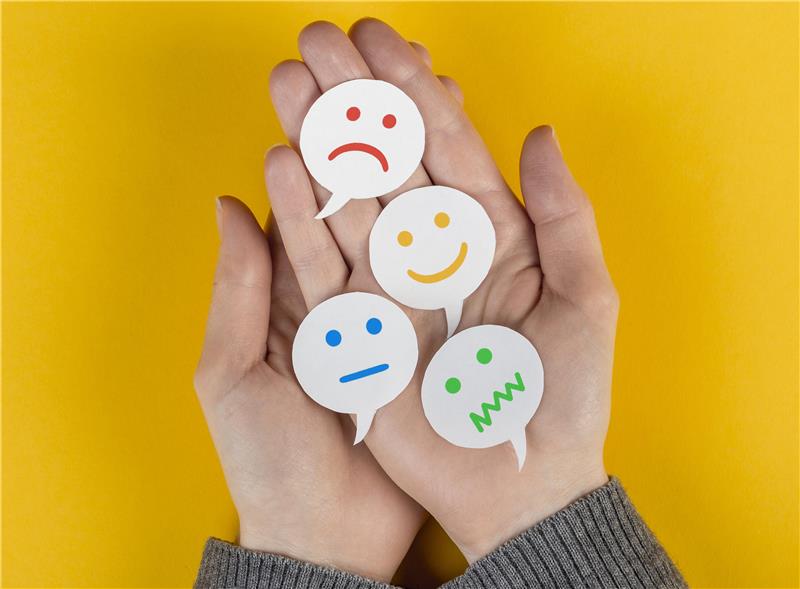
In my practice, I’ve met:
Professionals lying awake at night, overwhelmed by stress and anxiety. Parents balancing work and family, feeling exhausted and guilty for never doing enough. Students and young adults pushing to succeed, but battling panic and self-doubt.
Too often, patients tell me they thought they just needed to “be stronger” or “push through.” But depression and anxiety are not character flaws—they are medical conditions that deserve care.
Signs of Depression and Anxiety
These struggles don’t always appear as obvious sadness or panic attacks. More often, they creep in through:
- Constant fatigue or low energy
- Irritability or restlessness
- Difficulty focusing at work or school
- Loss of interest in once-enjoyable activities
- Feeling hopeless or “stuck”
If you notice these signs, it may be time to seek support. Recognizing when stress is turning into depression is a vital first step.
How Healing Happens
Recovery looks different for everyone. For some, therapy alone is enough. Others benefit from medication, or a combination of approaches. I’ve seen patients rediscover hope and energy—even when they once believed they couldn’t.
Small changes also matter:
- Talking with a trusted friend instead of keeping feelings bottled inside
- Prioritizing sleep, exercise, and balanced meals
- Building supportive connections rather than isolating
- Reaching out for mental health support when symptoms persist